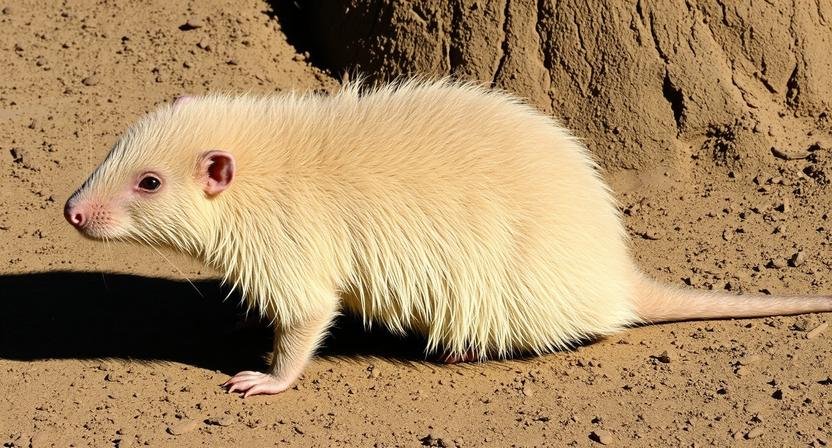
The term cadibara is a common misspelling or colloquial variation that refers directly to the captivating capybara. This gentle giant of the rodent world has captured global fascination. Native to South America, the capybara is a semi-aquatic mammal known for its serene demeanor and surprising sociability. Our comprehensive guide delves into every aspect of these remarkable creatures. We will explore their biology, behavior, the realities of care, and the complex legal landscape of ownership. You will gain a deep, practical understanding of what life with a cadibara truly entails.
For clarity, we will use the correct scientific term, capybara, throughout this article. However, the search intent for “cadibara” is unmistakable. It reflects a growing public curiosity about owning or learning about these unique animals. This guide is designed to satisfy that curiosity with accurate, in-depth information.
What Exactly Is a Capybara? Defining the “Cadibara”
Many first encounter the word cadibara online through viral videos and social media posts. These posts often show capybaras lounging in hot springs or peacefully cohabitating with other animals. Scientifically known as Hydrochoerus hydrochaeris, the capybara holds the title of the world’s largest rodent. An adult can weigh between 77 and 146 pounds. They can grow over 4 feet in length. Their physical design is perfect for their lifestyle.
They possess blunt heads, rudimentary tails, and slightly webbed feet. Their fur is coarse and sparse, ideal for drying quickly after swimming. Their eyes, ears, and nostrils are positioned high on their heads. This allows them to remain almost fully submerged while staying alert to predators. This unique adaptation is key to their survival.
The Natural Habitat and Social Structure of Capybaras
Capybaras are not solitary creatures. In the wild, they live in groups of 10 to 20 individuals. Sometimes groups can exceed 100. These groups provide protection from predators like jaguars, caimans, and anacondas. Their social structure is complex and hierarchical. A dominant male usually leads the group, with several females, their young, and subordinate males.
Their habitat is exclusively in South America. They thrive in dense vegetation near bodies of water. This includes marshes, swamps, rivers, and lakes. Water is non-negotiable for their wellbeing. It serves as a refuge from danger, a temperature regulator, and a source of food. Understanding this intrinsic need is the first step in grasping why they are challenging pets.
The Realities of Cadibara Ownership: Benefits and Profound Drawbacks
The idea of owning a cadibara is undoubtedly appealing to many. Their calm and friendly appearance suggests an ideal exotic companion. However, the reality is far more complex. It requires a level of commitment comparable to that for a large, specialized farm animal.
Potential Benefits of Capybara Companionship
-
Remarkably Docile Temperament: When properly socialized and raised in a suitable environment, capybaras are indeed gentle. They are not inherently aggressive.
-
High Social Intelligence: They form strong bonds with their own kind. They can also develop recognizable relationships with other species, including humans, dogs, and even birds.
-
Unique and Rewarding Experience: For a dedicated, prepared owner, caring for such a unique animal can be immensely fulfilling. It offers a direct connection to a fascinating part of the natural world.
Significant Drawbacks and Challenges
The challenges, however, are substantial and often deal-breaking.
-
Extensive Space Requirements: This is the foremost hurdle. A single capybara needs a minimum of a large, secure outdoor enclosure. They require both a sizable pond for swimming and ample grazing land. We are talking about hundreds of square feet, securely fenced.
-
Specialized Dietary Needs: They are herbivores with a diet primarily of grasses and aquatic plants. An adult can consume 6 to 8 pounds of fresh grass per day. They also require specific vitamin supplements, like vitamin C.
-
Constant Need for Water: A small kiddie pool is utterly insufficient. They need a clean, filtered pond or pool deep enough to fully submerge. Maintaining this water quality is a continuous task.
-
Legal Restrictions: In most places, it is illegal to own a capybara as a pet without stringent permits. Many states and countries outright ban private ownership.
-
Specialized Veterinary Care: Very few veterinarians have experience with giant rodents. Finding and affording medical care is a major obstacle.
-
Social Needs: Keeping a single capybara is considered cruel. They are herd animals and require the companionship of at least one other capybara. This doubles the space, cost, and care requirements.
Common Mistakes in Prospective Cadibara Care
Informed by online misinformation, many enthusiasts make critical errors in judgment. Avoiding these mistakes is crucial for the animal’s welfare.
-
Underestimating Space and Cost: The most common error is failing to comprehend the scale of their needs. Building a suitable habitat can cost tens of thousands of dollars.
-
Ignoring Legalities: Assuming that because you can buy something online, it is legal to own locally is a catastrophic mistake. This can lead to confiscation of the animal and heavy fines.
-
Solitary Confinement: Acquiring only one capybara condemns it to a life of stress and loneliness, often leading to depression and behavioral issues.
-
Poor Habitat Design: An enclosure without a deep, clean swimming area and without security from both escape and predators is inadequate.
-
Treating Them Like a Domestic Pet: They are not like dogs or cats. They have wild instincts and specific, non-negotiable ecological requirements.
Capybara Care: A Detailed Best Practices Guide
If, after understanding the challenges, you are in a position to provide ethical care, here is a framework. This is a high-level overview, not a substitute for extensive research.
Habitat Construction: Non-Negotiable Elements
Your enclosure must replicate their natural environment as closely as possible.
| Enclosure Component | Minimum Specification | Reasoning |
|---|---|---|
| Total Land Area | 200+ sq. ft. per animal | Provides grazing, exploration, and resting space. |
| Water Feature | Pond at least 3ft deep, 8ft wide | Allows for full submersion, swimming, and thermoregulation. |
| Fencing | 4-5 feet high, buried 1-2 feet | Prevents escape (they can climb and dig) and deters predators. |
| Shelter | Insulated, draft-free shed or doghouse | Protection from extreme sun, cold, wind, and rain. |
| Substrate & Vegetation | Natural grass, safe soil, and shade trees | Encourages natural grazing and foraging behaviors. |
Diet and Nutrition: Beyond Just Grass
A proper capybara diet is high-fiber and low-starch.
-
Primary Diet (80%): Unlimited access to fresh, pesticide-free grasses and hay (orchard grass, timothy hay).
-
Supplemental Vegetables (15%): Leafy greens, squash, and the occasional melon or beet.
-
Specialized Feed (5%): Rodent blocks formulated for vitamin C and mineral balance. Critical: They cannot synthesize vitamin C and require direct supplementation.
-
Constant Access: To fresh, clean water for drinking.
Health and Veterinary Considerations
Establish a relationship with an exotic vet before acquiring the animal. Common health issues include:
-
Foot Problems: From improper substrates.
-
Dental Issues: Their teeth grow continuously and need proper wear.
-
Skin Diseases: From poor water quality or parasitic mites.
-
Nutritional Deficiencies: Primarily scurvy from lack of vitamin C.
Regular check-ups and immediate attention to any behavioral changes are essential.
Legal and Ethical Use Cases for Capybaras
Given the difficulties, where do capybaras typically thrive in human care?
-
Licensed Zoos and Sanctuaries: These institutions have the resources, space, and expertise to house social groups in appropriate habitats. This is the gold standard for captive care.
-
Educational Farms: Some facilities use them as educational ambassadors to teach about wetlands ecology and South American wildlife.
-
Highly Specialized Private Owners: A tiny minority of individuals with substantial land, financial resources, and dedication provide excellent homes. They often work with wildlife authorities and are part of breeding or conservation programs.
-
Therapy Animals (In Specific Regions): In Japan and some parts of South America, trained capybaras in controlled settings are used in animal-assisted therapy due to their calm nature.
Frequently Asked Questions About Cadibara
Are capybaras friendly to humans?
Capybaras are generally docile and not aggressive. However, “friendly” is a human term. They can become accustomed to human caregivers, especially if hand-raised. They do not seek affection like a dog. They tolerate interaction best when it occurs on their terms. A stressed or cornered capybara can bite in self-defense.
What is the lifespan of a pet capybara?
In the wild, their lifespan is 6 to 10 years due to predation and disease. In excellent captive conditions with expert care, they can live 8 to 12 years. This is a significant long-term commitment, akin to that for a large dog.
Can capybaras be potty trained?
No, they cannot be litter-trained like a cat. They are grazing animals that defecate and urinate frequently throughout the day and in water. Managing waste is a constant part of habitat maintenance. Their aquatic toilet habits are a primary reason a large, filterable water source is mandatory.
Do capybara make noises?
Yes, they are quite vocal within their social groups. Their sounds include soft purrs and whistles for contentment, alarm barks, and chatters and squeals for communication between young and mothers.
Is it ethical to own a capybara?
The ethics are highly situational. It is unethical if the owner cannot provide the vast space, aquatic environment, social companionship, and specialized diet the animal requires. It is only potentially ethical for individuals or institutions that can fully meet all these profound needs, which is exceptionally rare.
Conclusion and Key Takeaways on Cadibara
The journey from searching for “cadibara” to understanding the reality of capybara care is one of moving from fascination to profound respect. These are not conventional pets. They are complex, social, wild animals with needs that stretch far beyond the capabilities of a typical household. Their serene appearance belies the immense responsibility required to ensure their wellbeing.
If your interest is driven by a love for these animals, the most ethical path is often to support them from a distance. Visit reputable zoos and sanctuaries that practice excellent welfare standards. Donate to organizations working to conserve their natural habitats in South America. Educate others about the realities of exotic pet ownership.
Actionable Takeaways:
-
Prioritize Habitat: If you are considering ownership, your first step is not buying the animal—it’s designing and building a minimum 200+ sq. ft. enclosure with a filtered pond.
-
Research Legality: Contact your state’s fish and wildlife department and your local county zoning office. Permits are usually mandatory and often unattainable for private individuals.
-
Plan for a Group: Never consider owning a single capybara. Their mental health depends on companionship of their own kind.
-
Budget Realistically: Initial setup costs can easily reach $10,000-$20,000, with ongoing monthly costs for food, water filtration, and veterinary care.
-
Become an Expert First: Immerse yourself in scientific literature and connect with exotic animal veterinarians and ethical sanctuary operators long before making any decisions.
The allure of the capybara is understandable. However, true appreciation means recognizing that their best life is almost always one supported by professionals or in the wild. Let your fascination fuel informed advocacy and support, ensuring these remarkable animals thrive as nature intended.