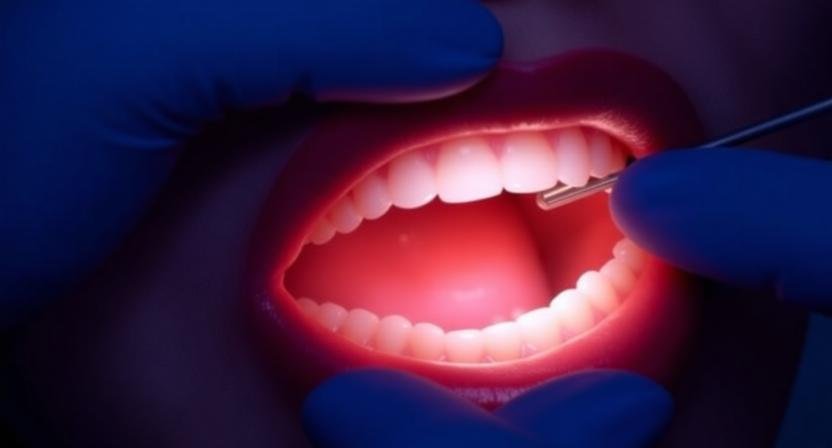
If you’ve recently heard the term palmon uvula, you’re likely searching for clear medical answers.
You may have noticed swelling in the back of your throat.
Perhaps you feel irritation, gagging, or difficulty swallowing.
Or maybe someone mentioned palmon uvula during a consultation.
This guide explains what palmon uvula means, why it happens, how serious it can be, and what you should do next. You’ll learn about symptoms, causes, diagnosis, treatment options, and prevention strategies.
By the end, you will understand whether your situation requires simple home care or urgent medical attention.
What Is Palmon Uvula?
The term palmon uvula appears to describe a condition involving the uvula, the small tissue that hangs at the back of the throat.
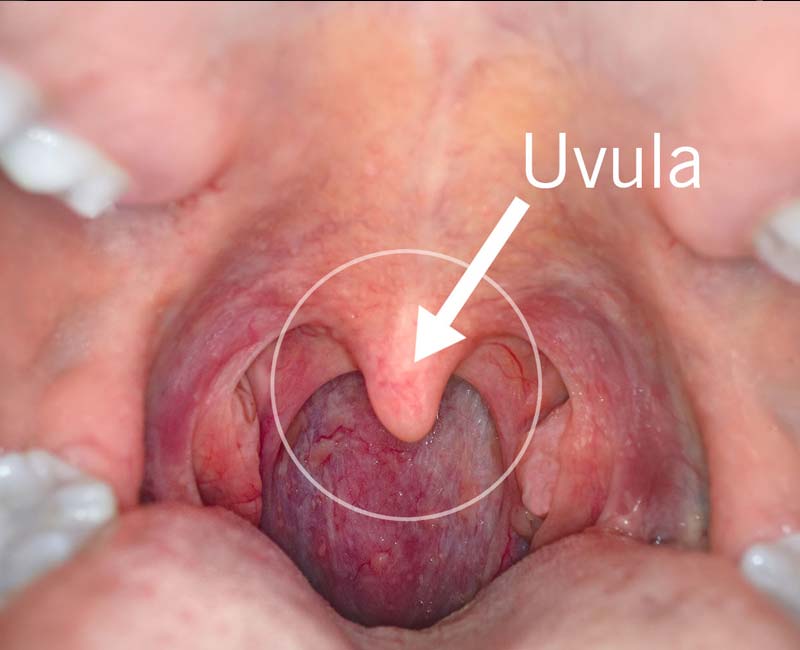
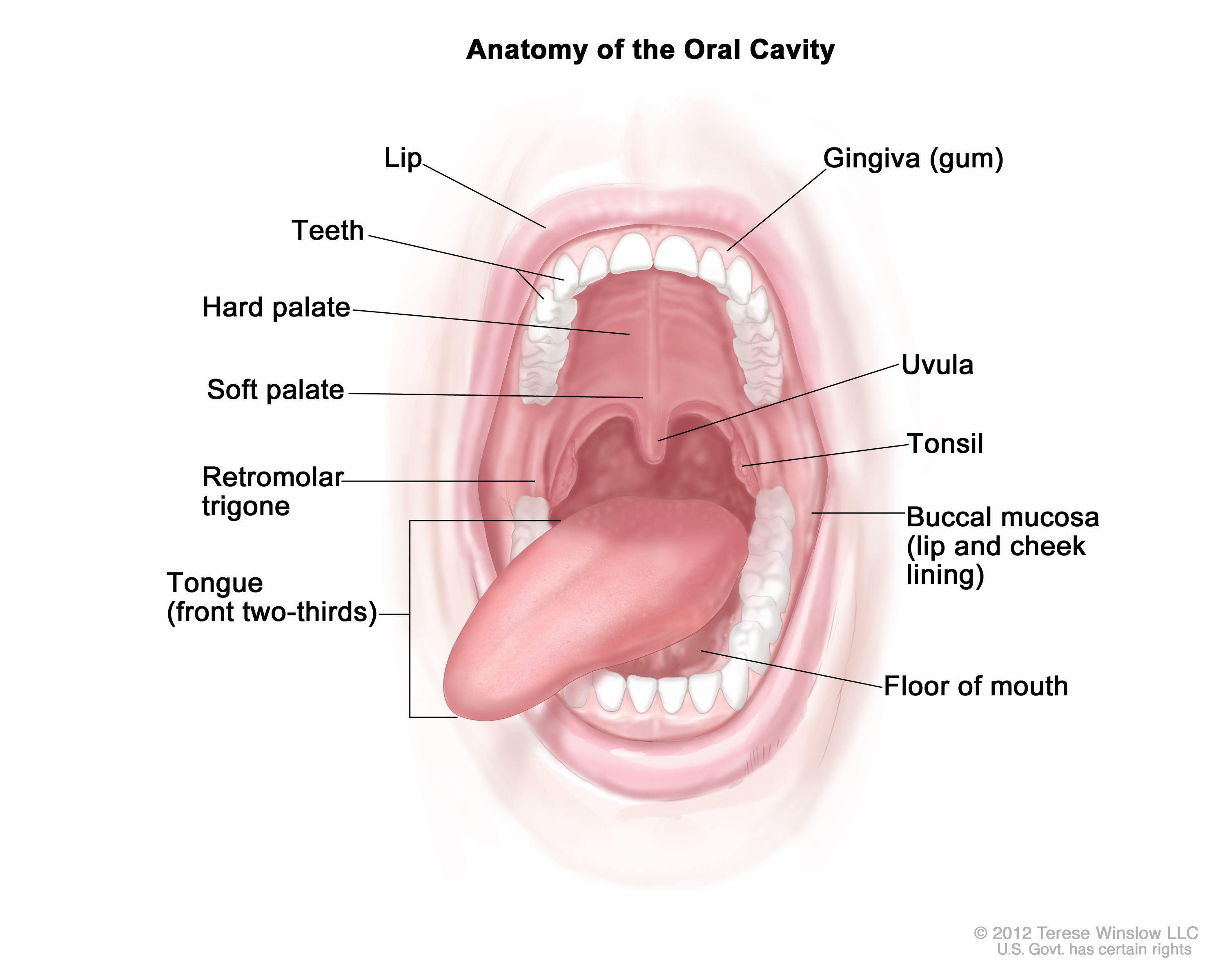
Medically, the uvula is part of the soft palate. It plays a role in:
-
Speech clarity
-
Swallowing coordination
-
Preventing food from entering the nasal cavity
-
Immune defense within the throat
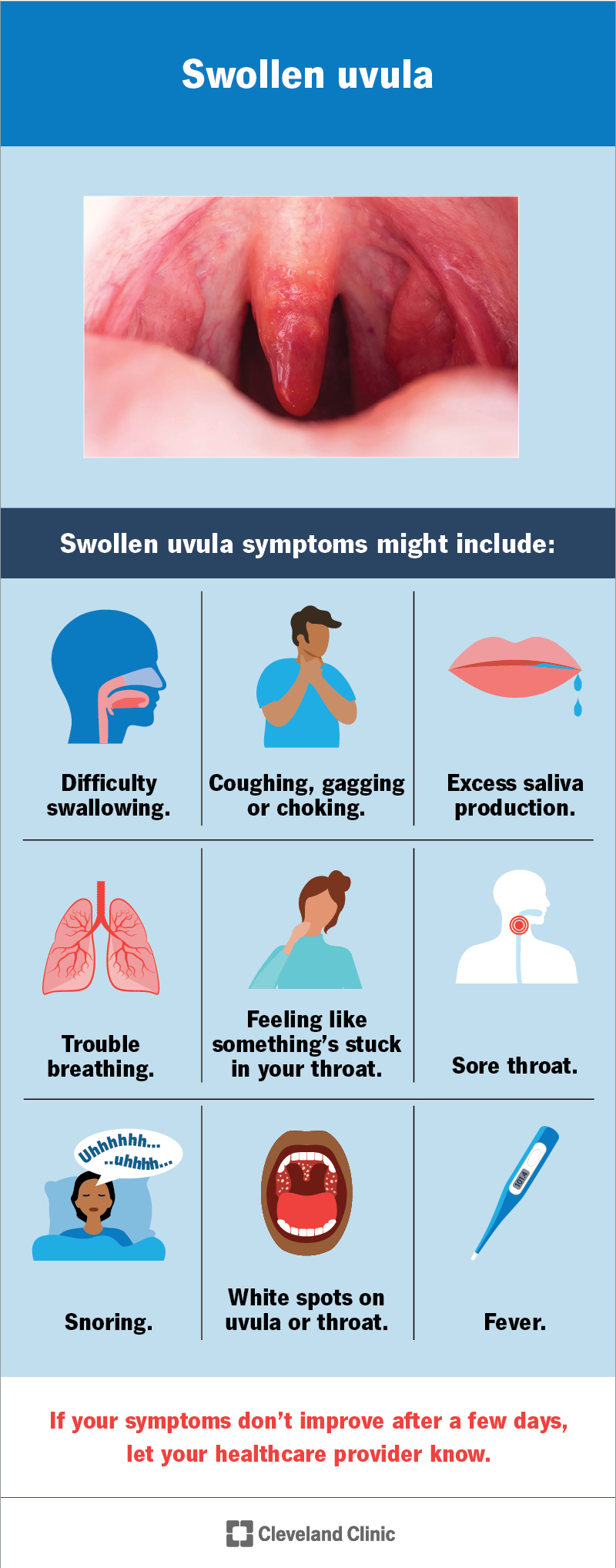
When people use the phrase palmon uvula, they usually refer to inflammation, enlargement, or abnormal appearance of the uvula. In medical terms, this is often called uvulitis.
While the phrase is uncommon in textbooks, it likely reflects a colloquial or regional description of a swollen uvula.
Why the Uvula Matters More Than You Think
At first glance, the uvula seems small and unimportant. However, it serves several key functions.
1. Protects the Nasal Passage
During swallowing, the soft palate lifts. The uvula helps seal off the nasal cavity.
Without proper movement, liquids may regurgitate through the nose.
2. Supports Clear Speech
The uvula helps shape certain sounds. In some languages, uvular consonants depend on it.
3. Contributes to Immune Defense
The uvula contains immune tissue similar to the tonsils. It helps trap bacteria and viruses.
Therefore, when palmon uvula symptoms appear, they can disrupt multiple systems at once.
Common Symptoms of Palmon Uvula
Symptoms vary depending on severity. However, the most frequent complaints include:
-
Visible swelling
-
Redness
-
Sore throat
-
Gagging sensation
-
Difficulty swallowing
-
Dry throat
-
Hoarseness
In severe cases, patients may experience:
-
Breathing difficulty
-
Fever
-
Severe pain
-
White patches or pus
If breathing becomes difficult, immediate medical care is necessary.
Causes of Palmon Uvula
Understanding the cause determines treatment. Several factors can lead to uvular inflammation.
1. Infection
Both bacterial and viral infections can inflame the uvula.
Common examples include:
-
Strep throat
-
Influenza
-
Common cold
-
Tonsillitis
Infections account for a large percentage of uvula swelling cases.
2. Allergic Reactions
Allergic triggers may cause sudden swelling.
Common triggers include:
-
Food allergies
-
Pollen
-
Dust
-
Medication reactions
Allergic swelling can escalate quickly.
3. Dehydration
Dry throat tissue becomes irritated more easily. Dehydration increases susceptibility to swelling.
4. Snoring and Sleep Apnea
Chronic vibration during snoring can irritate the uvula.
Studies show that individuals with sleep apnea often present with elongated or thickened uvulas.
5. Trauma
Mechanical irritation may cause inflammation.
Examples include:
-
Medical procedures
-
Aggressive brushing
-
Intubation
-
Excessive coughing
Palmon Uvula vs Normal Uvula: Comparison Table
| Feature | Normal Uvula | Palmon Uvula (Inflamed) |
|---|---|---|
| Size | Small, symmetrical | Enlarged or elongated |
| Color | Light pink | Red or deep pink |
| Pain | None | Mild to severe |
| Swallowing | Comfortable | Irritated or painful |
| Breathing | Normal | May feel obstructed |
This comparison helps identify whether swelling is mild or significant.
Is Palmon Uvula Dangerous?
In most cases, palmon uvula symptoms are mild and temporary.
However, danger increases if:
-
Breathing becomes restricted
-
Swelling progresses rapidly
-
High fever develops
-
Severe dehydration occurs
Angioedema, a serious allergic reaction, may cause dramatic uvula swelling. That situation requires emergency care.
Real-World Example
Consider a patient who wakes up with throat discomfort. They notice their uvula appears larger and touches the tongue.
They had snored heavily the night before. They also slept in dry air.
In this case, irritation combined with dehydration may explain the swelling.
However, if the same patient had consumed a new food and developed facial swelling, an allergic cause would be more likely.
Context matters.
Diagnosis: How Doctors Evaluate Palmon Uvula
Diagnosis is typically straightforward.
A healthcare provider will:
-
Examine the throat visually
-
Check for infection signs
-
Assess breathing
-
Ask about allergies
-
Evaluate medical history
In some cases, a throat swab tests for bacterial infection.
Rarely, imaging may be required if obstruction is suspected.
Treatment Options for Palmon Uvula
Treatment depends on the cause.
Mild Irritation
-
Hydration
-
Warm saltwater gargles
-
Humidified air
-
Rest
Symptoms often resolve within 24 to 72 hours.
Infection-Based Swelling
If bacterial infection is confirmed, antibiotics may be prescribed.
Viral infections require supportive care.
Pain relievers may reduce discomfort.
Allergic Reaction
Allergic causes may require:
-
Antihistamines
-
Corticosteroids
-
Epinephrine in severe cases
Immediate treatment prevents airway compromise.
Chronic Enlargement
If snoring or sleep apnea contributes to persistent swelling, surgical options may be considered.
Procedures include:
-
Uvulectomy
-
Uvulopalatopharyngoplasty
Surgery is reserved for specific cases.
Benefits of Early Treatment
Addressing palmon uvula early provides clear advantages:
-
Prevents breathing complications
-
Reduces infection spread
-
Improves sleep
-
Restores swallowing comfort
Most importantly, early care reduces anxiety.
Potential Drawbacks of Ignoring Symptoms
Ignoring persistent swelling can lead to:
-
Chronic throat irritation
-
Recurrent infections
-
Worsening sleep apnea
-
Increased discomfort
While mild cases resolve naturally, repeated inflammation signals an underlying issue.
Step-by-Step Action Plan If You Notice Swelling
Follow this structured approach.
Step 1: Assess Severity
Check for breathing difficulty. If present, seek emergency care.
Step 2: Hydrate Immediately
Drink room-temperature water regularly.
Step 3: Gargle Warm Saltwater
Do this two to three times daily.
Step 4: Monitor for Fever
A temperature above 101°F may indicate infection.
Step 5: Seek Medical Advice if Symptoms Persist
If swelling lasts more than three days, consult a healthcare professional.
This systematic method prevents escalation.
Common Mistakes People Make
Avoid these frequent errors:
-
Self-prescribing leftover antibiotics
-
Ignoring breathing changes
-
Using harsh mouthwashes
-
Delaying care for severe pain
-
Assuming it is always harmless
While many cases are minor, some require prompt evaluation.
Advanced Insights Most People Miss
Here are expert-level observations:
-
Dry indoor heating increases uvula irritation in winter.
-
Chronic acid reflux can inflame throat tissues silently.
-
Excessive alcohol consumption dehydrates throat tissues.
-
Smoking dramatically increases inflammation risk.
-
Sleep position affects airway irritation.
Addressing lifestyle factors often reduces recurrence.
Prevention Strategies
Preventing palmon uvula episodes involves simple habits:
-
Stay hydrated
-
Use a humidifier
-
Manage allergies
-
Avoid smoking
-
Treat acid reflux
-
Maintain good oral hygiene
Small changes make a significant difference.
Frequently Asked Questions
What does palmon uvula mean?
It generally refers to a swollen or inflamed uvula.
How long does uvula swelling last?
Mild cases resolve within a few days. Persistent cases need evaluation.
Can dehydration cause uvula swelling?
Yes. Dry tissues are more prone to irritation and inflammation.
Is surgery common?
Surgery is rare and usually reserved for chronic obstructive cases.
When should I seek emergency care?
If you experience breathing difficulty, severe swelling, or allergic symptoms.
Final Thoughts: What You Should Do Next
The term palmon uvula typically describes uvular swelling or inflammation. In most cases, it is mild and treatable.
However, breathing issues or rapid swelling require urgent care.
If you notice symptoms:
-
Stay calm
-
Hydrate
-
Monitor severity
-
Seek medical advice if needed
Your throat plays a vital role in breathing and swallowing. Paying attention to small warning signs prevents larger complications.
When addressed early, palmon uvula concerns resolve quickly and safely.